A Sustainable Path to Income and Conservation
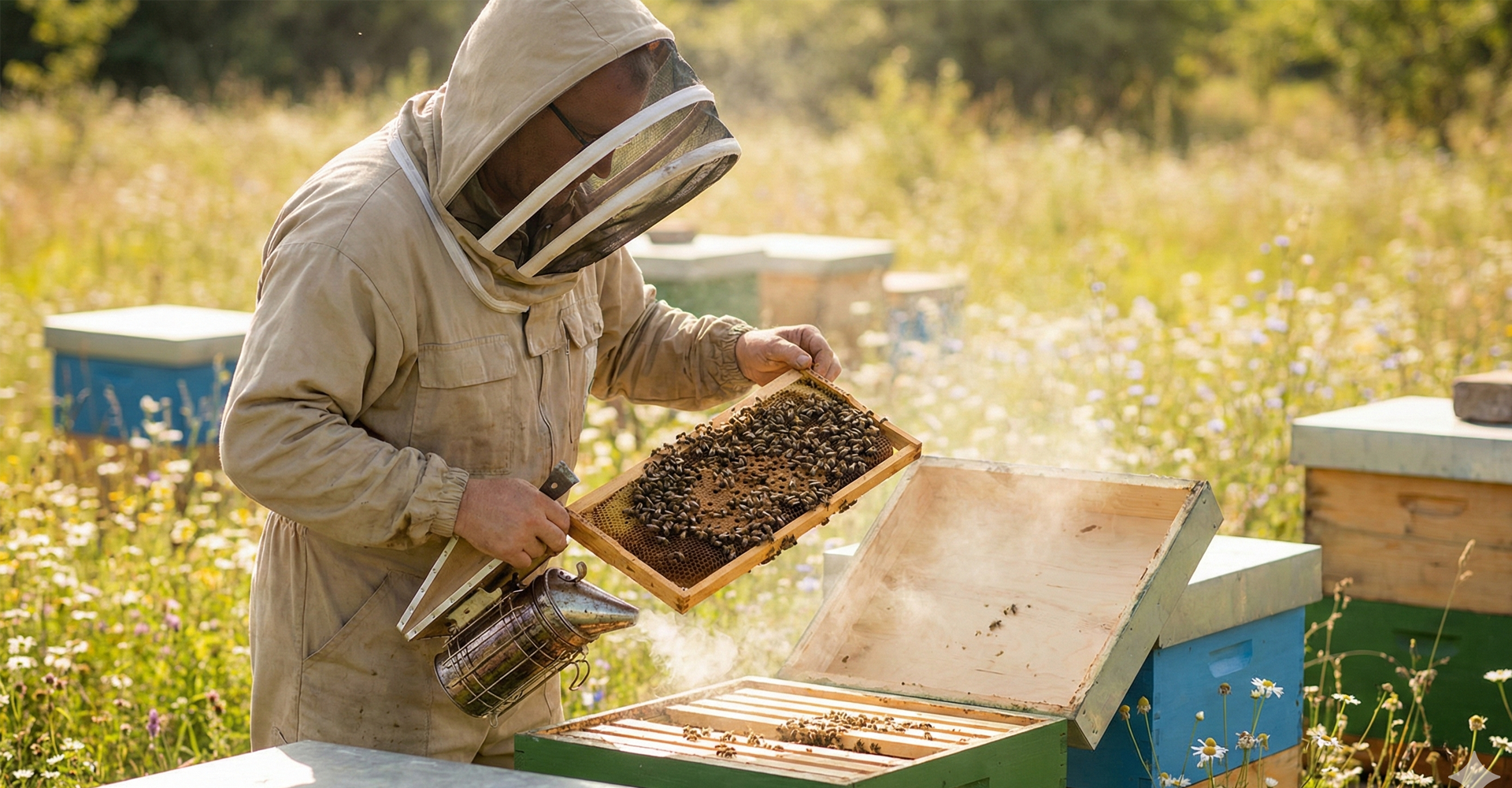
Beekeeping, commonly known as apiculture, has long been practiced across Kenya and the wider East African region. From traditional log hives used by rural communities to modern Langstroth and Top Bar hives, beekeeping continues to play an important role in livelihoods, food security, and environmental conservation. Today, it is increasingly recognized as a high-potential agribusiness that aligns well with sustainable development goals.
The Importance of Bees in East Africa
In Kenya, bees are essential to the pollination of key crops such as coffee, avocados, macadamia, sunflower, passion fruit, and vegetables. Many of these crops are major export earners for the country. Improved pollination not only increases yields but also enhances crop quality, making Kenyan produce more competitive in both local and international markets.
Bees also support natural ecosystems in forests such as Mau, Kakamega, Arabuko-Sokoke, and Mount Kenya, helping maintain biodiversity and ecological balance.
Products from the Hive
Beekeeping in East Africa goes beyond honey production. A single hive can produce multiple high-value products, including:
- Honey – widely consumed locally and increasingly exported as organic and raw honey
- Beeswax – used in candle making, cosmetics, and leather treatment
- Propolis – used in herbal medicine and natural remedies
- Royal Jelly – valued in the pharmaceutical and cosmetic industries
- Bee Venom – an emerging niche product with growing demand for medical and research purposes
With proper handling and certification, these products can access premium markets.
Beekeeping as an Agribusiness Opportunity
Kenya’s diverse climate—from arid and semi-arid lands (ASALs) to highland regions—makes it suitable for beekeeping almost year-round. Counties such as Baringo, Kitui, Makueni, West Pokot, Tana River, Kilifi, and parts of Rift Valley and Mount Kenya region have strong potential for commercial beekeeping.
Beekeeping requires minimal land and can be practiced alongside farming or conservation activities. This makes it ideal for youth groups, women-led enterprises, and community-based organizations. With growing demand for pure, traceable honey and other bee products, the sector offers significant income potential.
Environmental and Climate-Smart Benefits
Beekeeping encourages the conservation of forests and flowering plants, as healthy ecosystems directly support strong colonies. In East Africa, it has become a tool for climate-smart agriculture, particularly in ASAL regions where traditional farming is challenging.
Some beekeeping initiatives are also exploring opportunities in carbon credits, agroforestry, and biodiversity conservation programs, creating additional income streams beyond hive products.
Getting Started with Beekeeping in Kenya
Successful beekeeping begins with training and proper hive management. Beginners are encouraged to work with agricultural extension officers, cooperatives, NGOs, or research institutions. Starting small and scaling gradually allows beekeepers to learn colony management, disease control, and proper harvesting techniques.
Access to modern equipment, quality packaging, and reliable markets is key to profitability. Cooperative marketing has proven effective in helping small-scale beekeepers reach better-paying buyers.
Conclusion
Beekeeping in Kenya and East Africa is more than a traditional practice—it is a sustainable business opportunity that supports food security, environmental conservation, and rural livelihoods. With the right knowledge, investment, and market access, apiculture can significantly contribute to economic growth while preserving the region’s rich natural heritage.