Introduction to Biofuel Production
As the world shifts toward cleaner and more sustainable energy sources, biofuels have emerged as a practical alternative to fossil fuels. Produced from renewable biological materials, biofuels help reduce greenhouse gas emissions, improve energy security, and create new income opportunities for farmers and agribusinesses. This article explores how biofuels are produced, the main types of biofuels, and why they are crucial for a sustainable energy future.
What Are Biofuels?
Biofuels are fuels derived from organic matter, also known as biomass. This biomass can come from crops, agricultural waste, animal fats, or even organic municipal waste. Unlike fossil fuels, biofuels are renewable and can be produced continuously through sustainable farming and waste management practices.
Main Types of Biofuels
1. Bioethanol
Bioethanol is an alcohol-based fuel commonly blended with petrol. It is mainly produced from sugar-rich and starch-rich crops such as sugarcane, maize, cassava, and sweet sorghum.
2. Biodiesel
Biodiesel is produced from vegetable oils, animal fats, or recycled cooking oil. It can be used in diesel engines with little or no modification and is biodegradable and non-toxic.
3. Biogas
Biogas is a mixture of methane and carbon dioxide produced through the anaerobic digestion of organic waste such as animal manure, food waste, and crop residues. It is widely used for cooking, heating, and electricity generation.
4. Advanced Biofuels
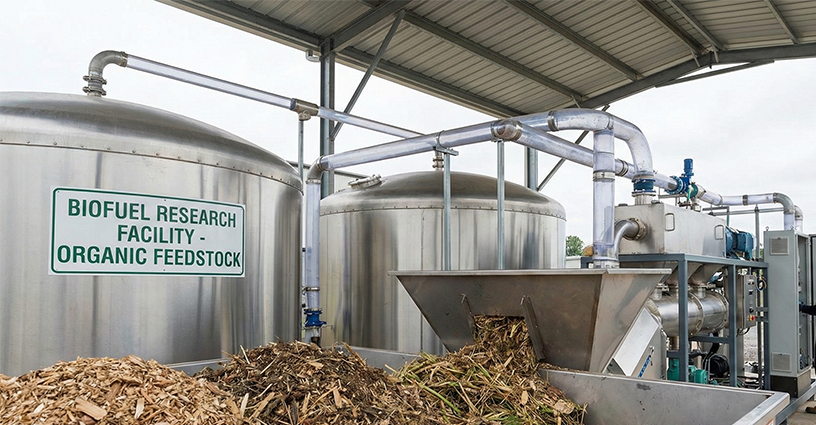
Advanced or second-generation biofuels are produced from non-food biomass, including agricultural residues, wood chips, and algae. These biofuels reduce competition with food production and have a lower environmental footprint.
The Biofuel Production Process
Step 1: Feedstock Collection
The first stage in biofuel production involves sourcing raw materials or feedstock. Common feedstocks include oil crops (sunflower, jatropha), sugar crops, crop residues, and organic waste.
Step 2: Pre-treatment and Processing
Feedstocks are cleaned, crushed, or shredded to make them suitable for conversion. For oil-based biofuels, seeds are pressed to extract oil, while starch and sugar crops are prepared for fermentation.
Step 3: Conversion Technologies
Different technologies are used depending on the type of biofuel:
- Fermentation: Used to convert sugars into ethanol with the help of yeast
- Transesterification: A chemical process that converts oils and fats into biodiesel
- Anaerobic Digestion: Microorganisms break down organic waste to produce biogas
- Gasification and Pyrolysis: High-temperature processes used for advanced biofuels
Step 4: Refining and Purification
The raw biofuel is refined to remove impurities and improve fuel quality. For example, ethanol is distilled, while biodiesel is washed and dried to meet fuel standards.
Step 5: Distribution and Use
Once refined, biofuels are stored, transported, and either used directly or blended with conventional fuels for transport, power generation, or industrial use.
Benefits of Biofuel Production
- Reduces carbon emissions and dependence on fossil fuels
- Creates rural employment and new markets for farmers
- Promotes waste recycling and environmental conservation
- Enhances energy security by using locally available resources
Challenges in Biofuel Production
Despite its advantages, biofuel production faces several challenges:
- Competition between food and fuel crops
- High initial investment costs
- Inconsistent feedstock supply
- Need for supportive policies and infrastructure
Ongoing research and innovation are addressing these challenges through improved crop varieties, efficient technologies, and sustainable land-use practices.
The Future of Biofuels
The future of biofuel production lies in advanced biofuels, circular economy models, and integrated farming systems. With growing global demand for clean energy and carbon credits, biofuels are expected to play a major role in achieving climate goals while supporting economic development.
Conclusion
Biofuel production offers a sustainable pathway toward cleaner energy, economic growth, and environmental protection. By turning agricultural products and waste into valuable fuel, biofuels bridge the gap between energy needs and sustainability. As technology improves and policies evolve, biofuels will remain a key pillar in the global renewable energy mix.